Skip to content
News
Search Type
Website
Catalog
Name Indexes
Digital Collections
Agencies (all)
Agencies (current)
Series Keyword Search
Series Number Search
General Schedules
State Records Committee
Government Records Office
Search this site
Search Now
Descriptions of
all
records in our collection, with
series inventories
and without
Search Now
Name indexes search
Search Now
Digital collections search
Search Now
Agencies search
Search Now
Search agencies (HINT: omit common words such as city, office, department, services, etc.)
Search Now
General schedules search
Search Now
Series Keyword Search Phrase
Search Now
Series Number
Search Now
Appeal decision text
Search Now
GRO Appeal decision text
Search Now
July 9, 2015
GRAMA Legislative Updates 2015
Legal updates enrolled in the 2015 Legislative session went into effect on May 12, 2015. The Legislature significantly modified the appeals process in the Government Records Access and Management Act (GRAMA), especially as it relates to political subdivisions’ adoption of local appeals boards. It identified additional private and protected records, and expanded posting requirements for the Public Notice Website. A
May 15, 2014
GRAMA Updates for 2014
This week 352 new laws went into effect. Included in these laws, enacted in the annual Legislative session, are two that impact the Government Records Access and Management Act (GRAMA). One law is Senate Bill 88, which provides that a video or audiorecording of an interview or transcript of a video or audio recording that is conducted at a Children’s Justice
January 8, 2014
Sharing Records
Many government records are shared by more than one governmental entity. For example, law enforcement records are shared with the Department of Child and Family Services and with county attorneys, and financial records are shared with the State Auditor’s Office. Records are sometimes shared with the federal government. Sharing records within government is governed by the Government Access and Management Act.
October 10, 2013
Electronic Records Day
The Council of State Archivists (CoSA) is celebrating Electronic Records Day today, October 10, 2013. CoSA is distributing a brief release which highlights some electronic records management challenges. It is designed to raise awareness and remind everyone of the importance of managing and preserving electronic records. Take a moment to review 10 reasons for e-records 2013. Electronic records are
May 31, 2013
GRAMA Updates for 2013
Each year as the State Legislature does its work it inevitably make changes to the Government Records Access and Management Act. Changes in 2013 amounted to additional records being identified as public, private, and protected, and the creation of a State Legislature email website. The State Auditor’s representative was removed from the State Records Committee and replaced by a second member
April 13, 2013
What Does GRAMA Say About Fees for Records Requests?
The opening statement in the GRAMA section on fees states that: 63G-2-302. Fees. (1) A governmental entity may charge a reasonable fee to cover the governmental entity’s actual cost of providing a record. The law recognizes that records requests can be time consuming and take employees away from their regular responsibilities. It therefore provides for government to
February 13, 2013
Model GRAMA Forms Available
As outlined in the Public Records Management Act, one of the responsibilities of the State Archives is to prepare forms for use by all governmental entities for persons making GRAMA requests (Utah Code § 63A-12-101(2)(l)). The most commonly used form is a simple GRAMA request form which captures the necessary elements for anyone who wants to request records: name,
September 27, 2012
First State Records Ombudsman Report
This month the State Archives issued the first records ombudsman report. It highlights some points of interest related to GRAMA. Email, retrieval of electronic data, and fees for GRAMA requests are key issues for both requesters and responders. Responders are also interested in how to classify law enforcement records. In response to new legislation, State Archivist, Patricia Smith-Mansfield, appointed Rosemary
August 21, 2012
GRAMA Request and Appeal Time Limits
The Government Records Access and Management Act (GRAMA) provides time limits for both responding to requests and appealing denials. These time limits, found in Utah Code sections 63G-2-204 and 401-404, are important because they protect rights and define responsibilities. A requestor is entitled to a response within a reasonable timeframe. If the requestor is not satisfied with the response he or she must appeal
May 31, 2012
Records Laws Webpage Updates
The dictionary defines ‘laws’ as “a body of rules and principles governing the affairs of a community and enforced by a political authority.” In keeping with that definition, records laws are the body of rules and principles governing records, including all aspects of their creation, identification, use, and maintenance or destruction. Deciding who has access to government records has
Prev
1
2
3
Next
The Archives provides reference assistance over the
phone
, by
email
, and in-person by appointment.
Public Comment Policy
Recent Posts
Oct. 05, 2026
Finding Aids in the Archives: September 2026
Sep. 29, 2026
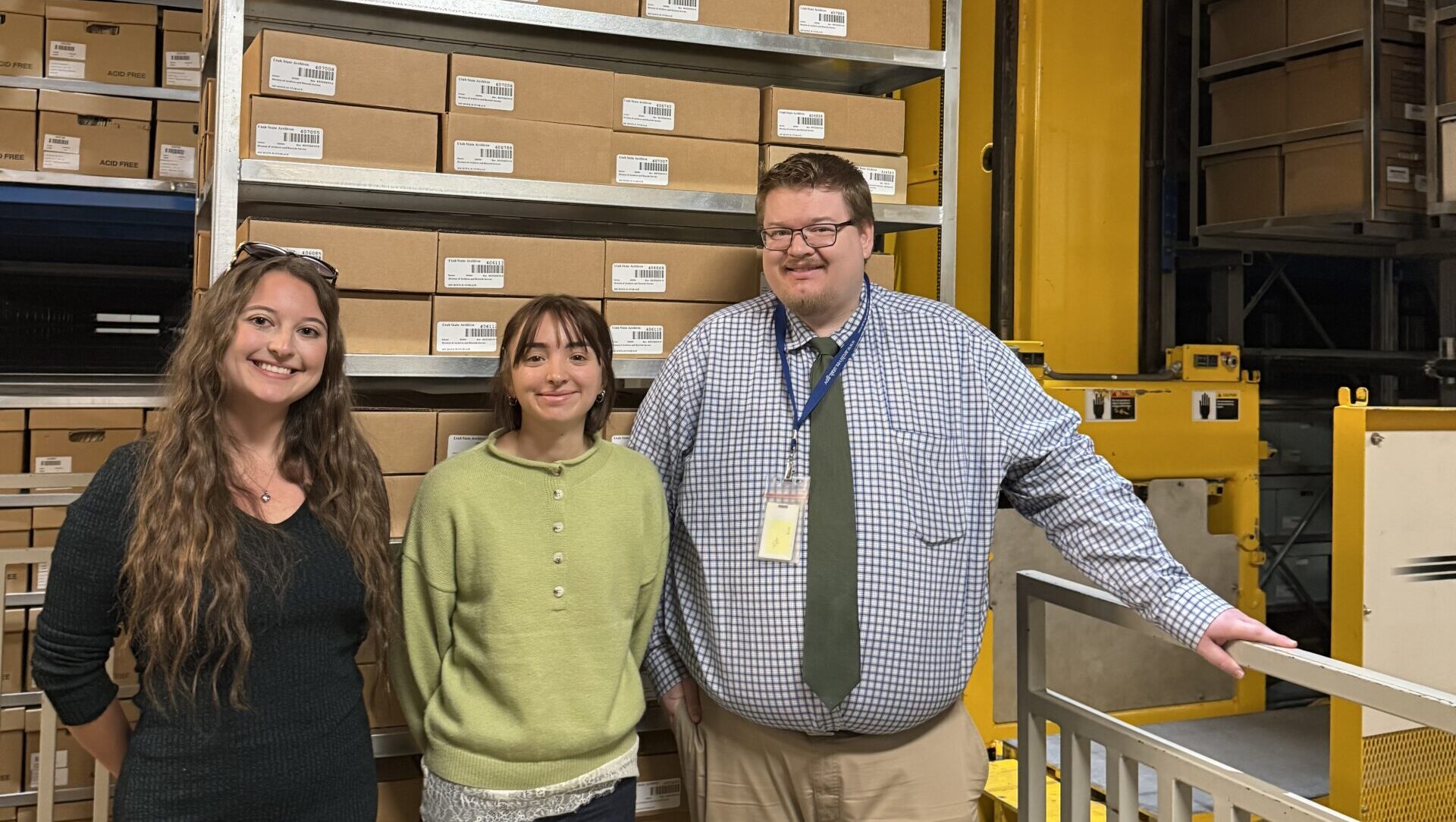
Meet the Fall 2026 Interns
Sep. 23, 2026
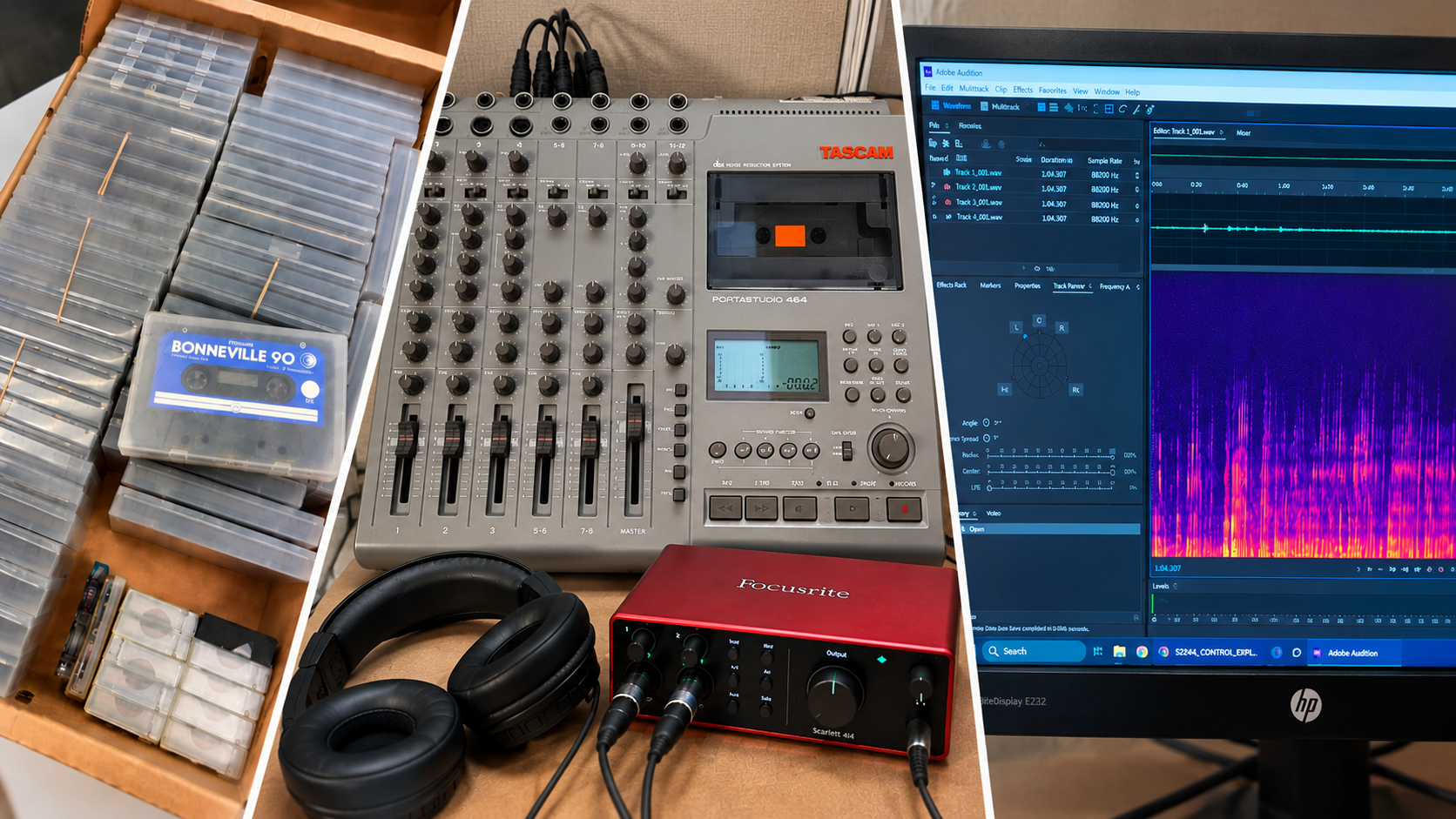
Continuing the Quest to Preserve Four-Track Audio
Sep. 15, 2026
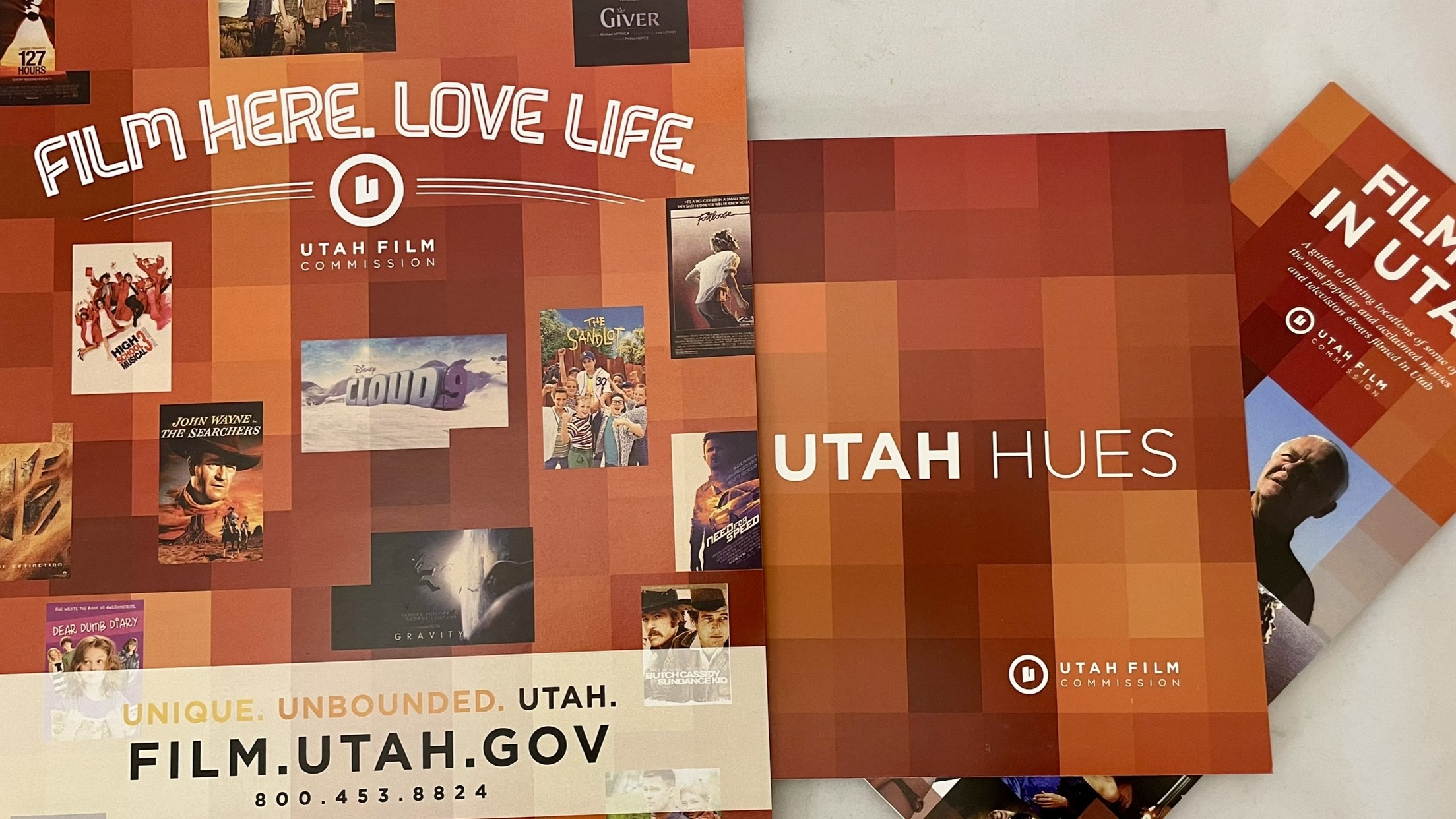
ARO Spotlight: Utah Office of Tourism & Film Commission
Sep. 09, 2026
Finding Aids in the Archives: August 2026
Authors
Alan Barnett
21
Dylan Mace
3
Genesie Miller
21
Gina Strack
399
Guest Author
22
Heidi Steed
20
Heidi Stringham
16
Jim Kichas
44
Katie McGirt
1
Kendra Yates
24
Lauren Katz
108
Lisa Catano
4
Maren Peterson
31
Matt Pierce
4
Rebekkah Shaw
132
Renee Wilson
36
Categories
Certification
/
Digital Archives
/
Electronic Records
/
FAQ
/
Finding Aids
/
General Retention Schedules
/
GRAMA
/
GRAMA FAQs
/
Guidelines
/
History
/
Legislative Updates
/
News and Events
/
Open Government
/
Records Access
/
Records Management
/
Records Officer Hub
/
Records Officer Spotlights
/
Research
/
Research Guides
/
RIM FAQs
/
Roles and Responsibilities
/
State Records Committee
/
Training
/
Uncategorized
/
Utah State Historical Records Advisory Board
/