Skip to content
News
Search Type
Website
Catalog
Name Indexes
Digital Collections
Agencies (all)
Agencies (current)
Series Keyword Search
Series Number Search
General Schedules
State Records Committee
Government Records Office
Search this site
Search Now
Descriptions of
all
records in our collection, with
series inventories
and without
Search Now
Name indexes search
Search Now
Digital collections search
Search Now
Agencies search
Search Now
Search agencies (HINT: omit common words such as city, office, department, services, etc.)
Search Now
General schedules search
Search Now
Series Keyword Search Phrase
Search Now
Series Number
Search Now
Appeal decision text
Search Now
GRO Appeal decision text
Search Now
November 19, 2015
Records for Joe Hill Online
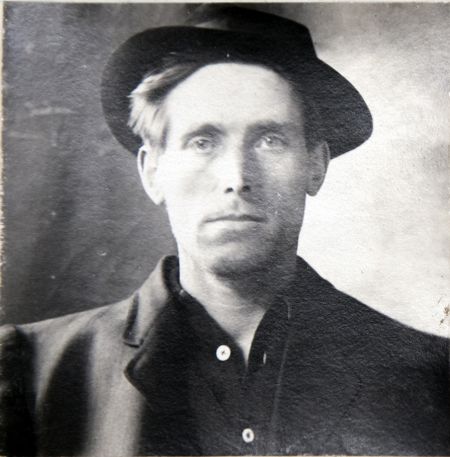
In anticipation of the 100-year anniversary of the trial and execution of the labor icon Joe Hill in Utah, the Utah State Archives has posted online over four thousand images of records concerning the international controversy and publicity generated at that time (https://archives.utah.gov/digital/joe-hill.html). Born in 1879 in Gavle, Sweden, Joseph Hillstrom (also known as Joe Hill) immigrated to the United
November 3, 2015
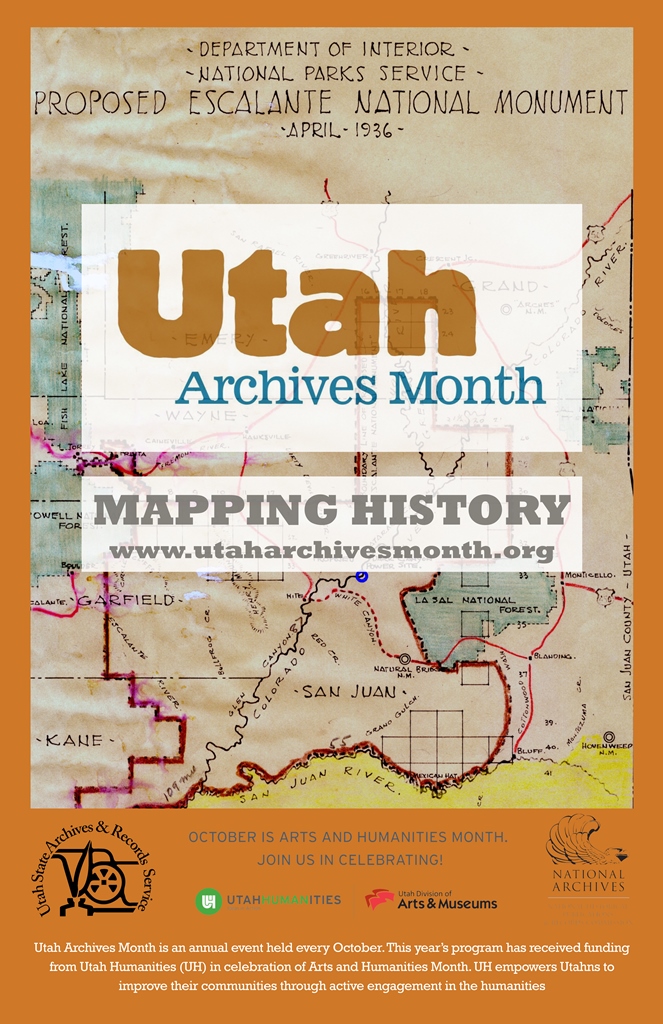
Utah Archives Month 2015
October was an extremely busy month at the Utah State Archives, filled with conferences, workshops, and events celebrating Utah Archives Month 2015. The Utah State Archives was one of many repositories around the state who developed special programming to publicize the vital role archives and special collection repositories play in preserving our shared cultural record for future access and use. Perhaps the most
October 9, 2015
Celebrating Electronic Records Day!
October 10, 2015 marks the fourth annual celebration of Electronic Records Day, sponsored by the Council of State Archivists (COSA). COSA states that E-Records Day is an “opportunity to share information about what you are doing to manage your state’s digital resources and to enlist help in preserving electronic records. This day is designed to raise awareness among state
June 26, 2015
Downwind in Utah
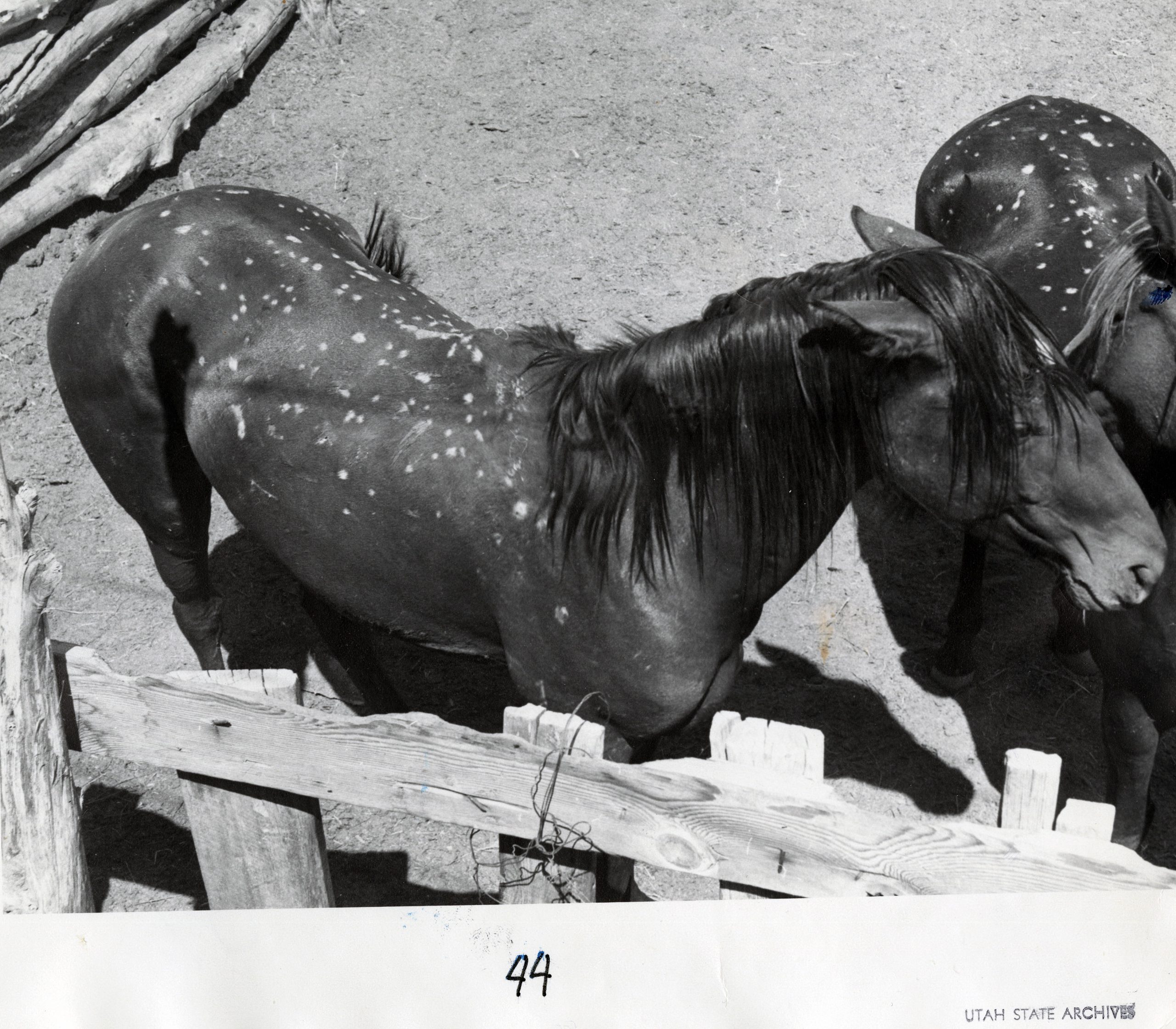
SHEEP DEATH IN CEDAR CITY The spring of 1953 brought with it unusually large losses in sheep herds that had spent that winter grazing in the mountains of southern Nevada and southern Utah. The winter and spring of 1952/1953 had been unusually dry, and most livestock owners had provided their herds with supplemental feed and water to make it through to summer. Of the
May 22, 2015
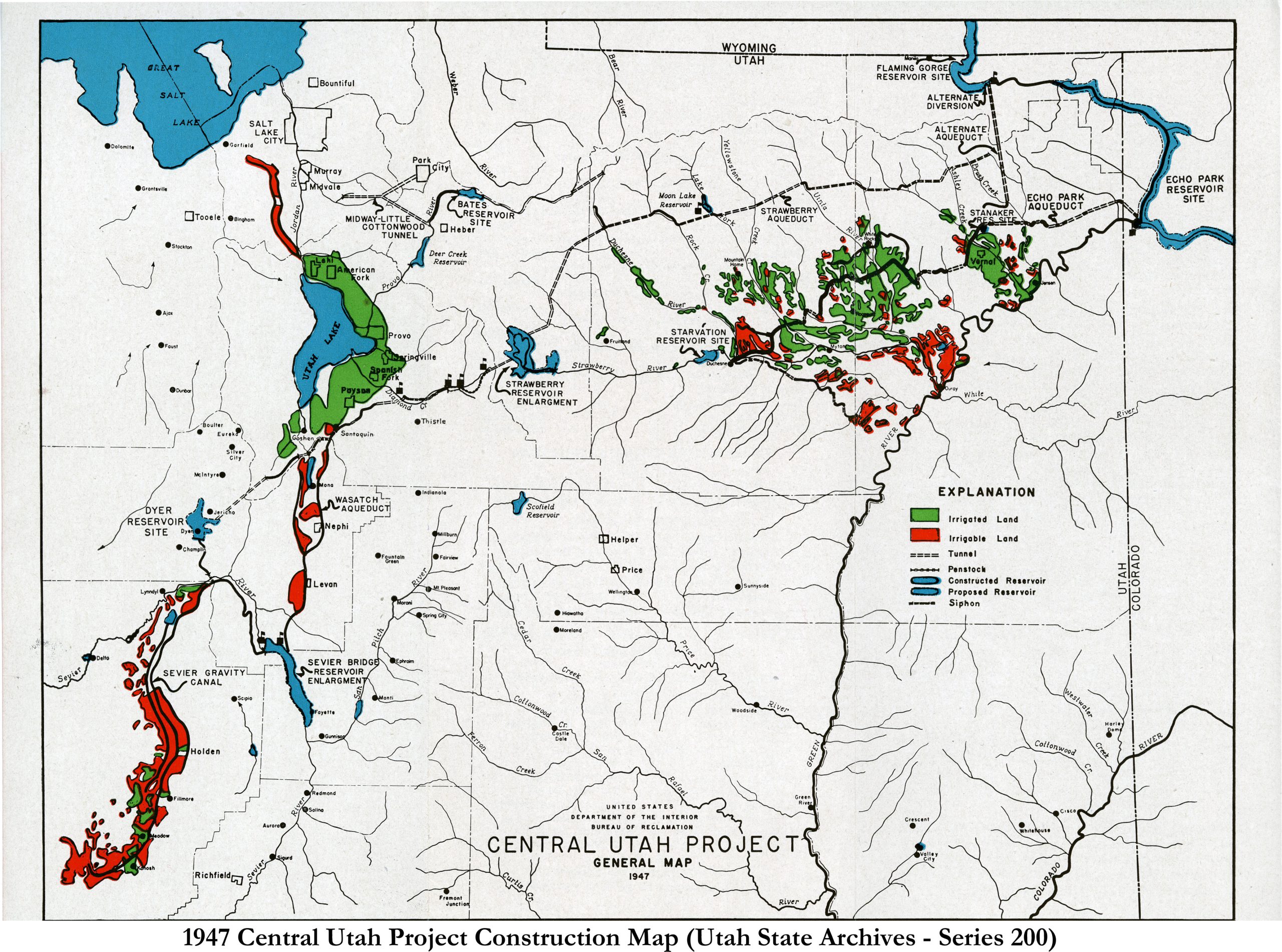
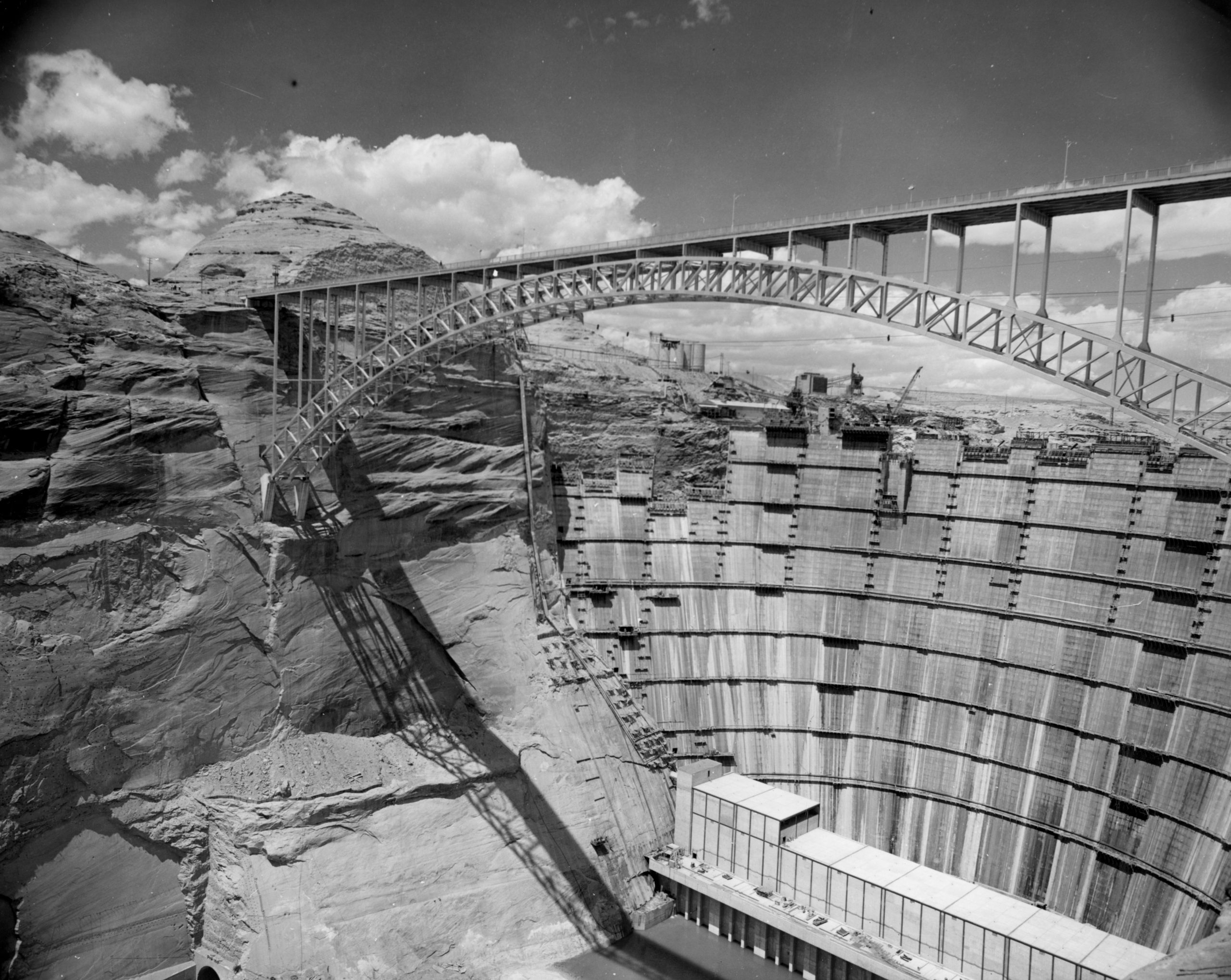
The Law of the River: The Central Utah Project
This is the third (and final) in a series of blog posts that will explore records held by the Utah State Archives that help illuminate the story of Utah’s role in the larger western movement to tame and develop the Colorado River as a vital resource in the arid west. ENVISIONING THE CENTRAL UTAH PROJECT Due to circumstances of geology
April 27, 2015
The Law of the River: Developing the Upper Basin
This is the second in a series of blog posts that will explore records held by the Utah State Archives that help illuminate the story of Utah’s role in the larger western movement to tame and develop the Colorado River as a vital resource in the arid west. UPPER COLORADO RIVER BASIN COMPACT With the passage of the Colorado River Compact
March 27, 2015
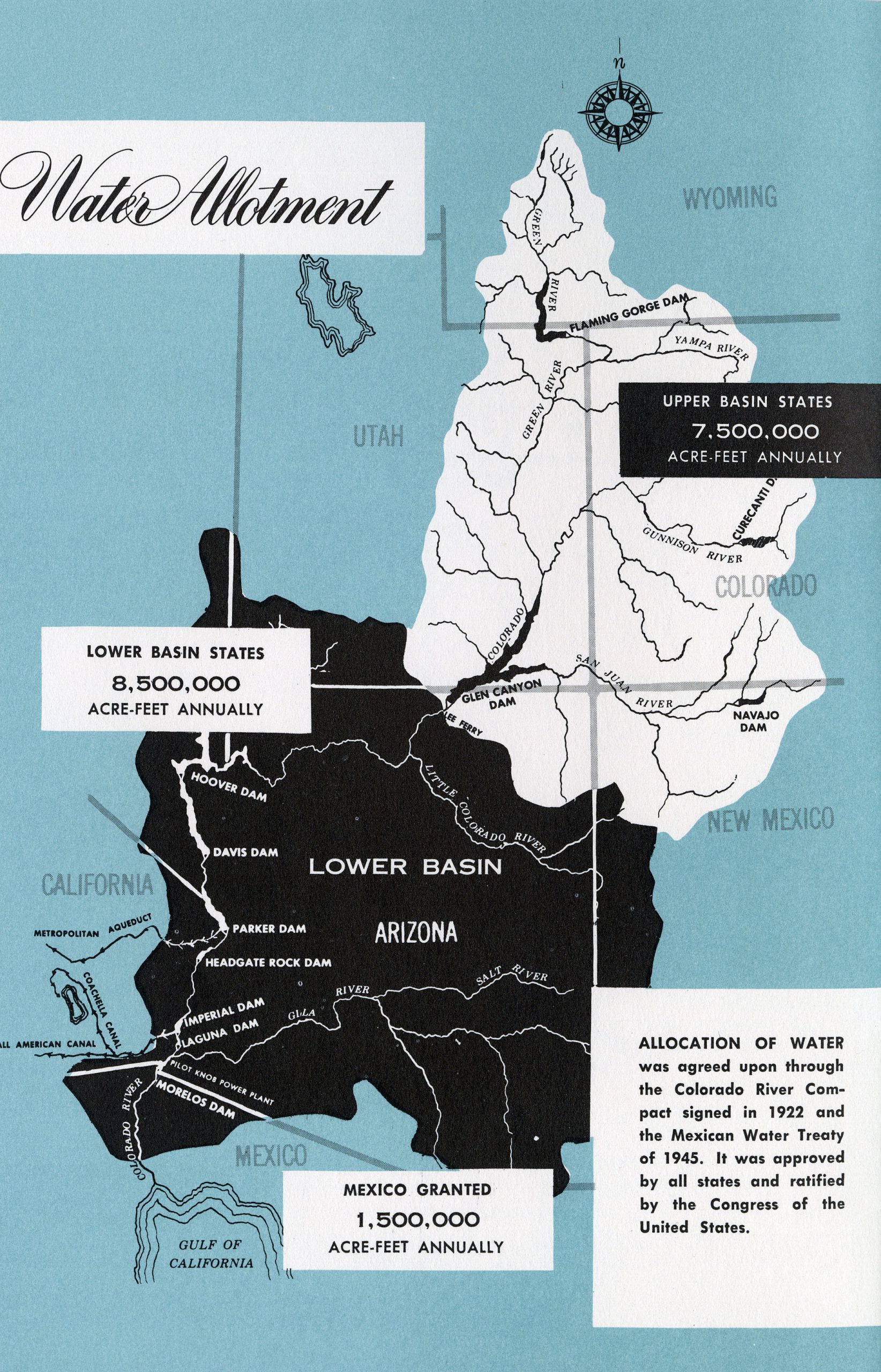
The Law of the River: Compact and Development
This is the first in a series of blog posts that will explore records held by the Utah State Archives that help illuminate the story of Utah’s role in the larger western movement to tame and develop the Colorado River as a vital resource in the arid west. THE COLORADO RIVER BASIN The Colorado River originates in the high Rocky
February 18, 2015
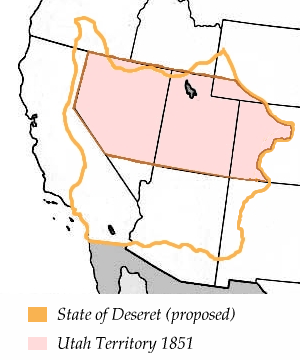
Law in the Utah Territory
UTAH’S FIRST LEGISLATIVE ASSEMBLY The first legislative assembly in Utah’s history was convened in Salt Lake City on September 22, 1851. Over the course of six months, 13 members of the Territorial Council and 26 members of the Territorial House of Representatives passed a series of acts and bills that formally codified the first laws of the Utah Territory. The Utah
January 7, 2015
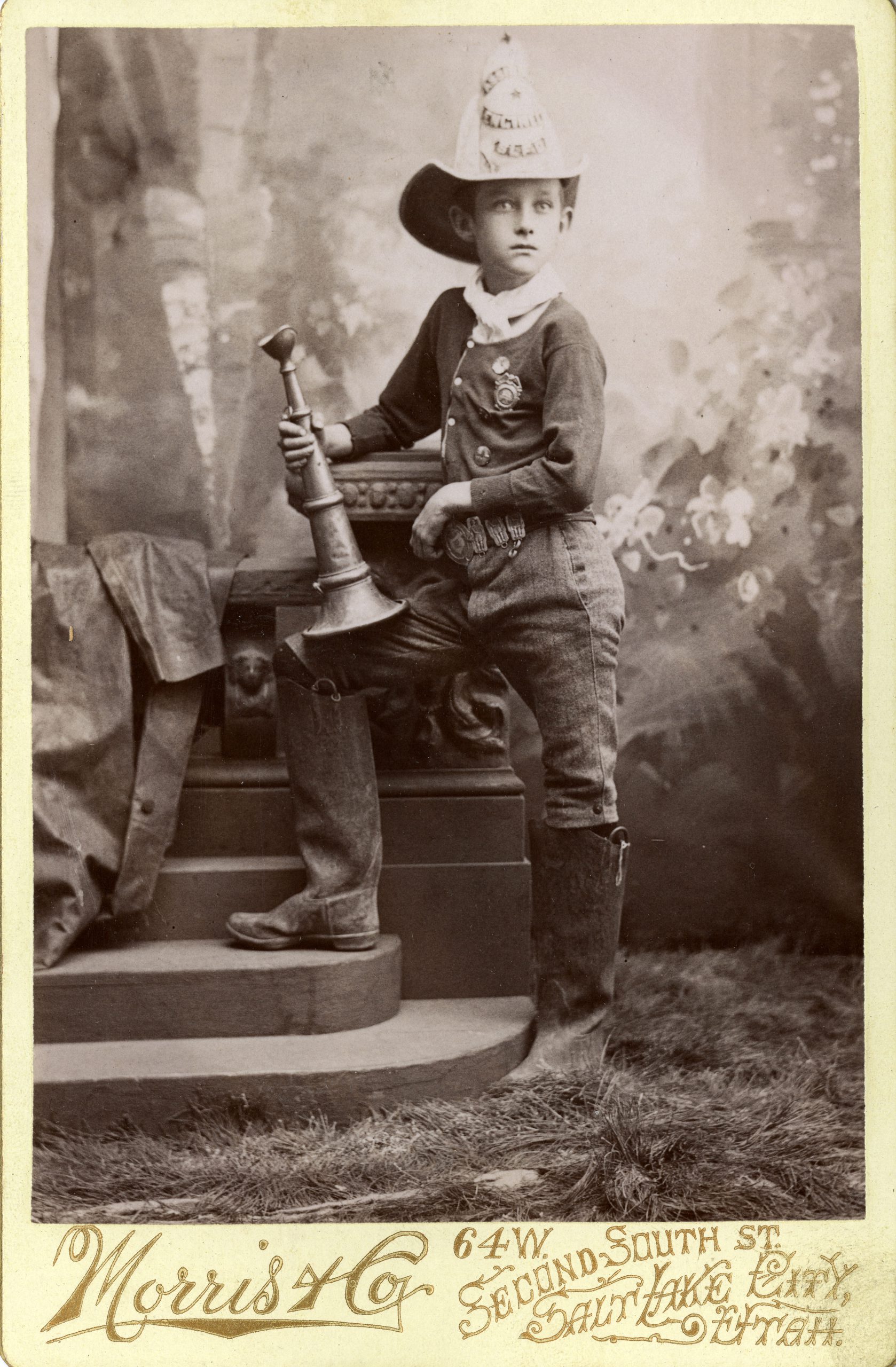
Portraits of the SLC Fire Department
RISING FROM THE ASHES Salt Lake City’s first professional fire department was born in October 1883 out of the ashes of a devastating fire that occurred in the heart of the city during the summer that same year. Prior to 1883, the city had relied on volunteer fire fighting services that were organized into local brigades around the city. The
December 17, 2014
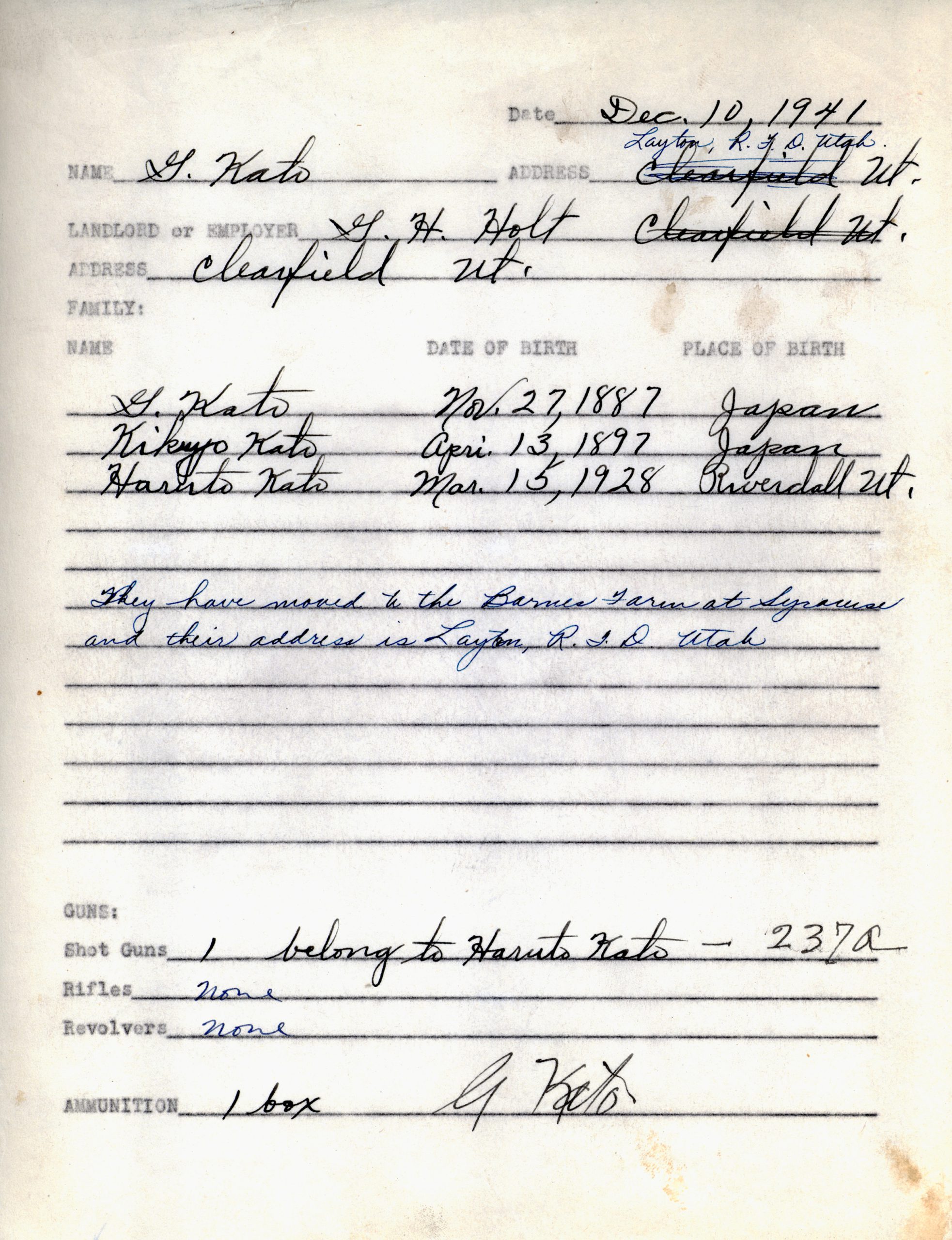
Enemy Lines
AFTERSHOCKS OF PEARL HARBOR When Japanese forces attacked the U.S. naval base in Pearl Harbor, Hawaii on December 7, 1941, a chain of events was set in motion that would permanently alter the directions of each country and its citizenry. Pearl Harbor led to direct U.S. involvement in World War II, drawing millions of U.S. soldiers and citizens into the
Prev
1
…
3
4
5
Next
The Archives provides reference assistance over the
phone
, by
email
, and in-person by appointment.
Public Comment Policy
Recent Posts
Oct. 05, 2026
Finding Aids in the Archives: September 2026
Sep. 29, 2026
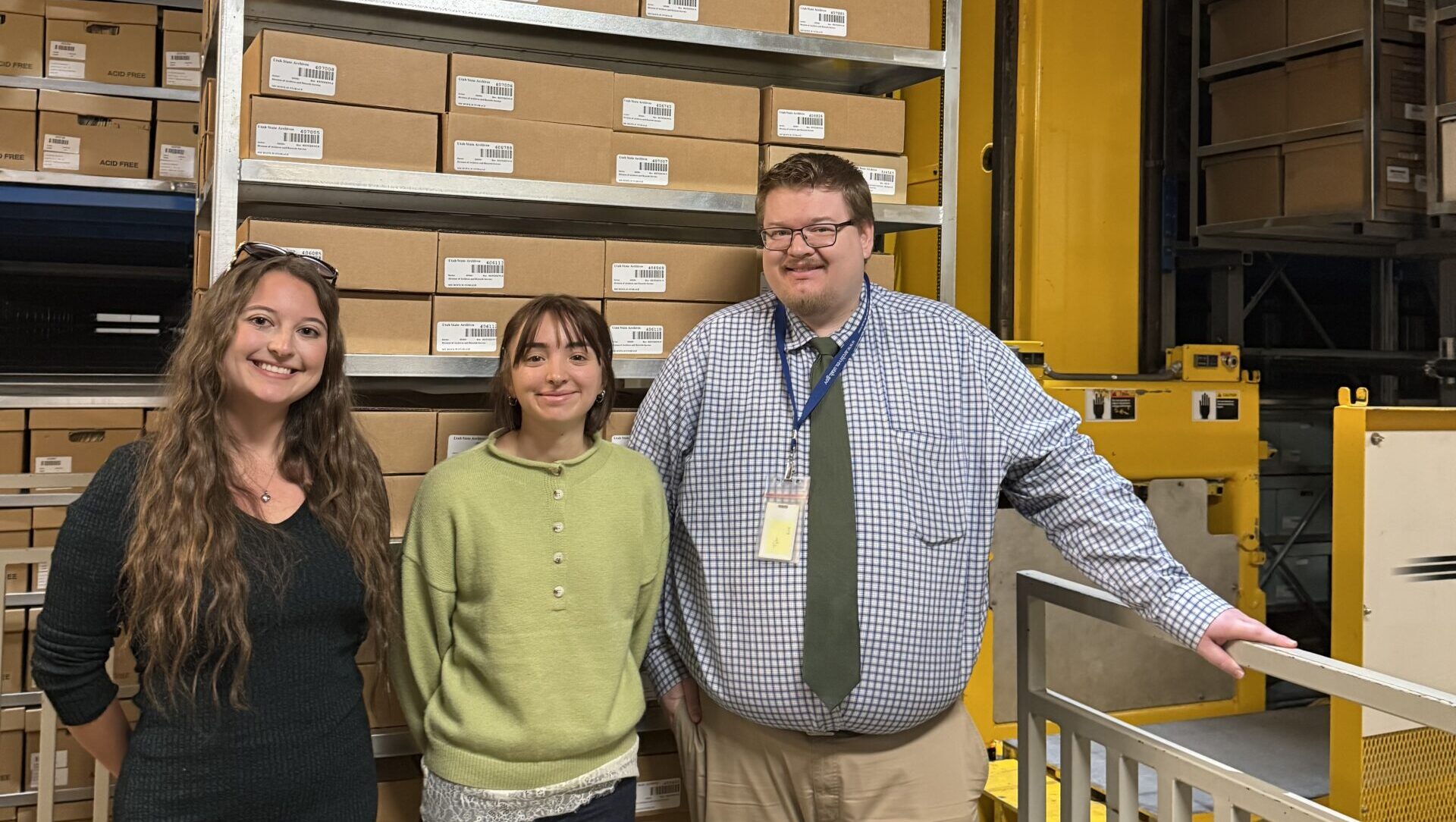
Meet the Fall 2026 Interns
Sep. 23, 2026
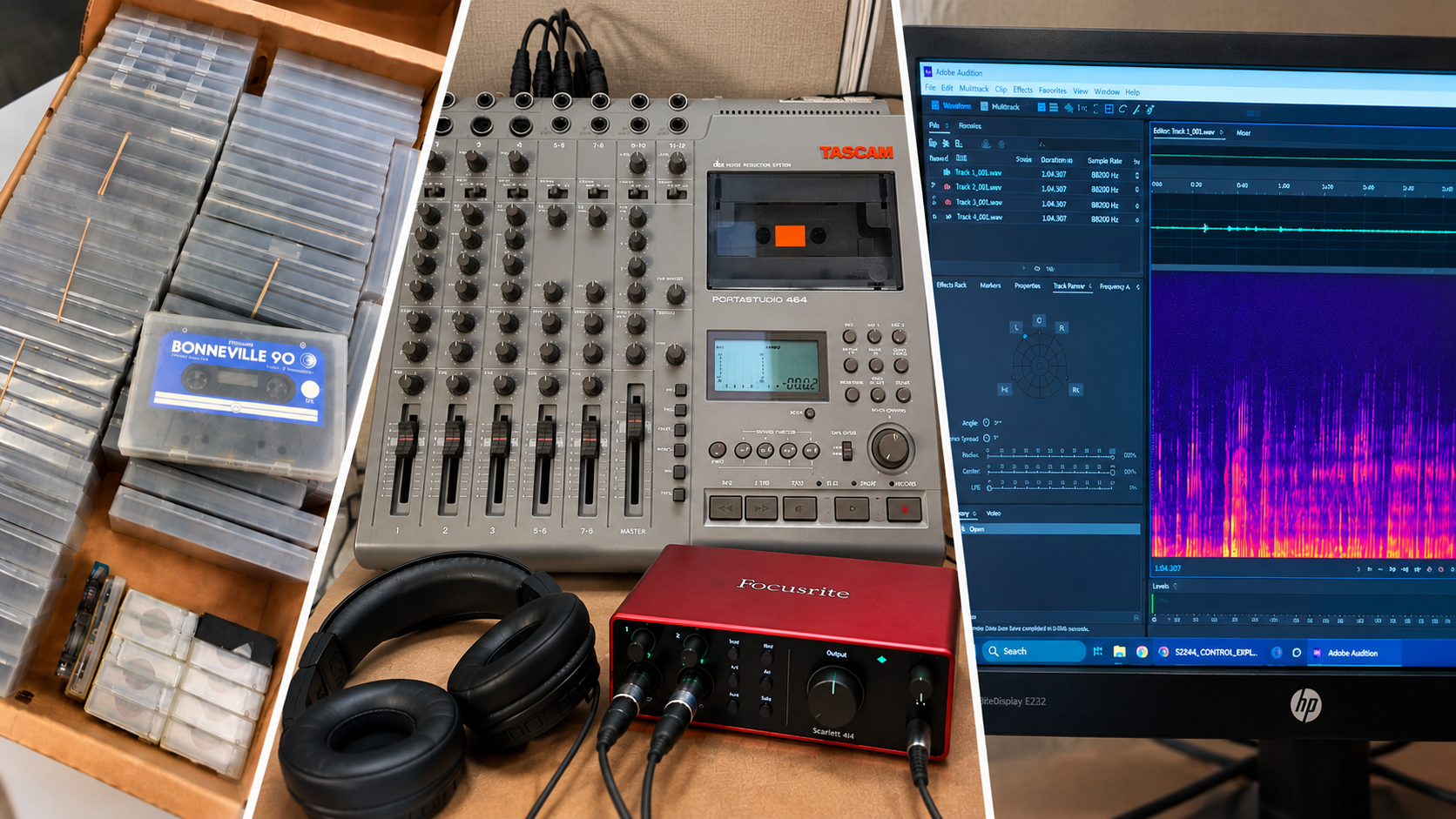
Continuing the Quest to Preserve Four-Track Audio
Sep. 15, 2026
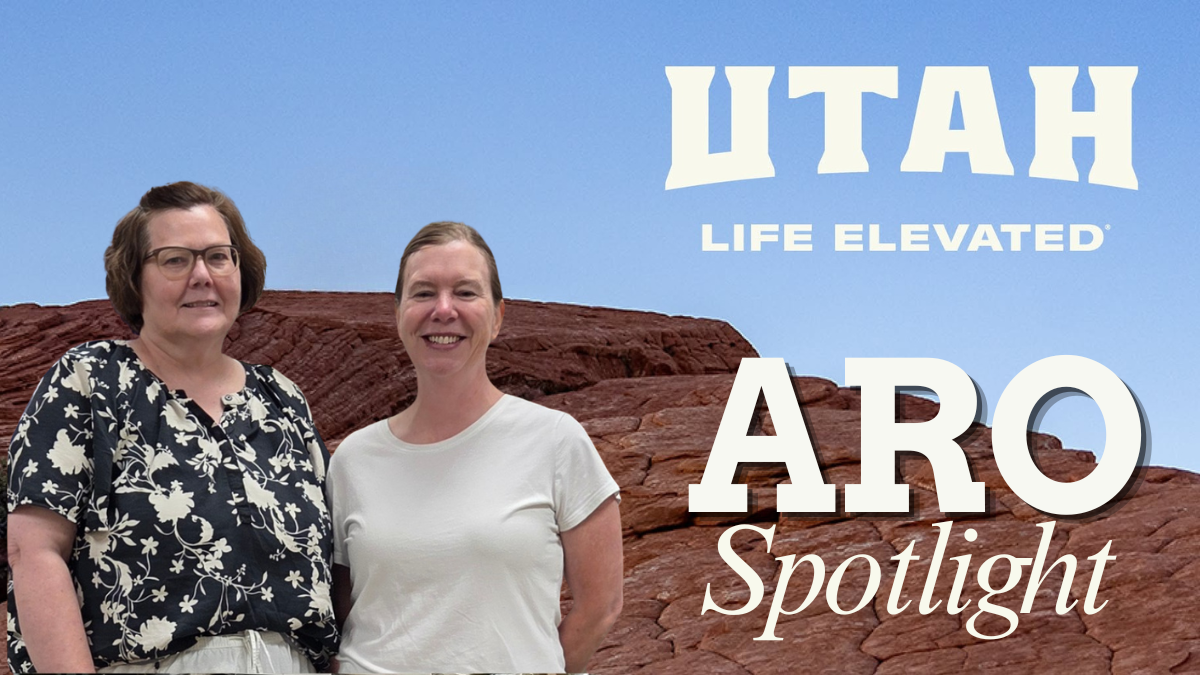
ARO Spotlight: Utah Office of Tourism & Film Commission
Sep. 09, 2026
Finding Aids in the Archives: August 2026
Authors
Alan Barnett
21
Dylan Mace
3
Genesie Miller
21
Gina Strack
399
Guest Author
22
Heidi Steed
20
Heidi Stringham
16
Jim Kichas
44
Katie McGirt
1
Kendra Yates
24
Lauren Katz
108
Lisa Catano
4
Maren Peterson
31
Matt Pierce
4
Rebekkah Shaw
132
Renee Wilson
36
Categories
Certification
/
Digital Archives
/
Electronic Records
/
FAQ
/
Finding Aids
/
General Retention Schedules
/
GRAMA
/
GRAMA FAQs
/
Guidelines
/
History
/
Legislative Updates
/
News and Events
/
Open Government
/
Records Access
/
Records Management
/
Records Officer Hub
/
Records Officer Spotlights
/
Research
/
Research Guides
/
RIM FAQs
/
Roles and Responsibilities
/
State Records Committee
/
Training
/
Uncategorized
/
Utah State Historical Records Advisory Board
/